Have you ever got emotional watching movies like depicting childhood days, a mother’s love, or comedy scene? The answer will be certainly yes. We all have special ways of expressing our emotions through various gestures. Emotion depends on various experience, a positive experience may include positive emotions (e.g., pleasure, trust) or negative ones (e.g., fear, anxiety).
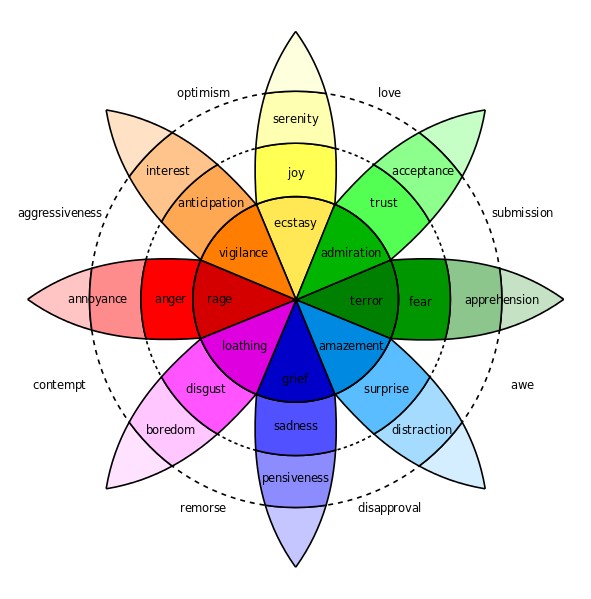
Emotions are the best medium to create a bond with people. In the same way using emotions in your design can create a strong bond with your user. Designs which catch into the user’s emotions is a big buzz within the UX communities. Plutchik’s wheel of emotions is the best way of understanding emotions to deliver best user experiences. According to this, the wheel of emotions was designed to help the user understand how emotions contrast with each other and the nuances of emotion.
How do We Deliver an Ideal Emotional Design That increase more visitors?
User experience techniques require to include designing for the entire human experience which includes emotion. To gauge the emotional effect of the product on users add the power of user research and product testing. Using research & testing designers can identify the frustration & satisfaction point users may encounter while using the product. Accordingly, designers would strive to eliminate these frustrations by turning critical moments into positive emotional experiences.
A design requires to work extremely well on Donald Norman’s Three Levels of Design:
Visceral, Behavioral and Reflective in order to create a successful product design.
1. Visceral design: The first,” I want this” deep-level gut reaction to your product is what a visceral design means. As they say “The first impression is the last impression.” You’re certainly on your way if at this stage the product’s design induces a positive, instinctual reaction. Basically, it defines the way of distinguishing one product from another not just by benefits but by grabbing into the user’s beliefs, attitudes, feelings. This can be accomplished by using pictures & cartoon characters to provide something that appears lively with using some colors and shapes that are evocative of certain eras.
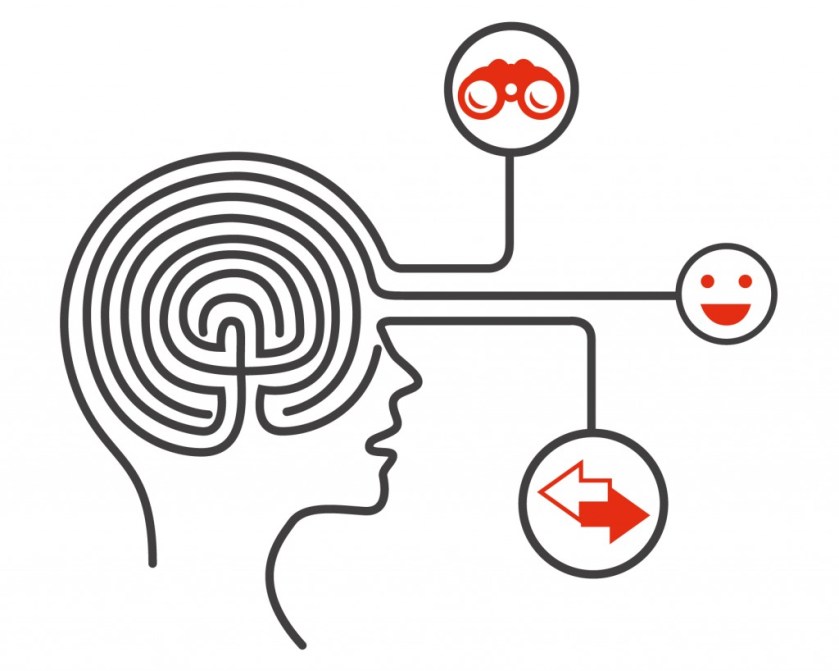
2. Behavioral design: Behavioral design defines how a structure or system, as inspected by the users, meets their needs and requirements. Behavioral design is designed to refer the emotions user feel due to either accomplishing or failing to complete their goals. If any product requires completion with less time & with less call for conscious effort, the emotions are likely to be positive ones. Negative emotion can be evoked by forcefully translating or adjusting users’ goals according to their limitations for products. So behavioral design includes carefully designing things to derived pleasure from being able to find a contact and make a call immediately on a mobile phone.
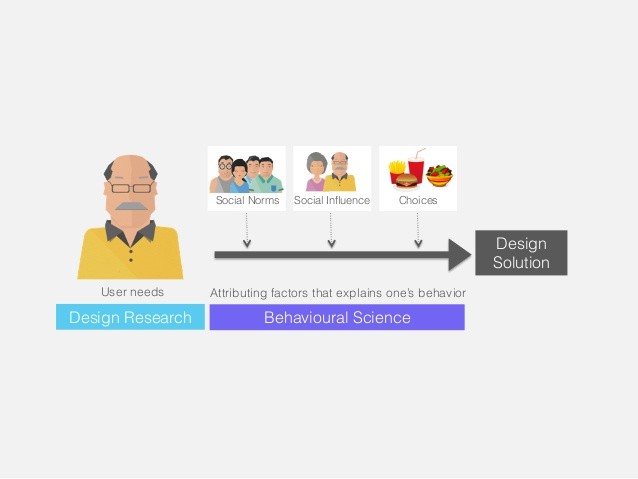
- Reflective design: It includes creating customers “bond” with your product. A good UX design contributes to the perception of pleasure and perception of improved performance and quality. (Also, check for latest UX design trends in 2019). Customer must have questions in back of their mind for every products as “Is it beautiful? Did it make my life easier? Was it a pleasure to use? How do I look wearing it, using it, driving it?
Conclusion: –
No doubt, including emotions into your design, can help you build a stronger bond with your Customers. It can remove a stressful situation and help you convey your message more effectively. Even many big brands strive to form an emotional bond between their brands and consumers. They incur millions every year to renew that connection. In the same way, the designers require to strive for the same emotional connection to connect their brand with users.
 Beebo Tech